
Biocomposite kitchenware · with Yellon
Kiaro
Can liquid wood feel premium?
Can liquid wood feel premium?
A six-piece kitchenware collection in Arboblend, a lignin-based biocomposite. A bachelor thesis with Vaida Staberg, developed together with Yellon.
Arboblend costs more than ordinary plastic, so it lands in a higher price bracket. But people don't read biodegradable material as premium. Most rate it as neutral, and when they buy, function matters more than sustainability. The problem was perception, not the material.
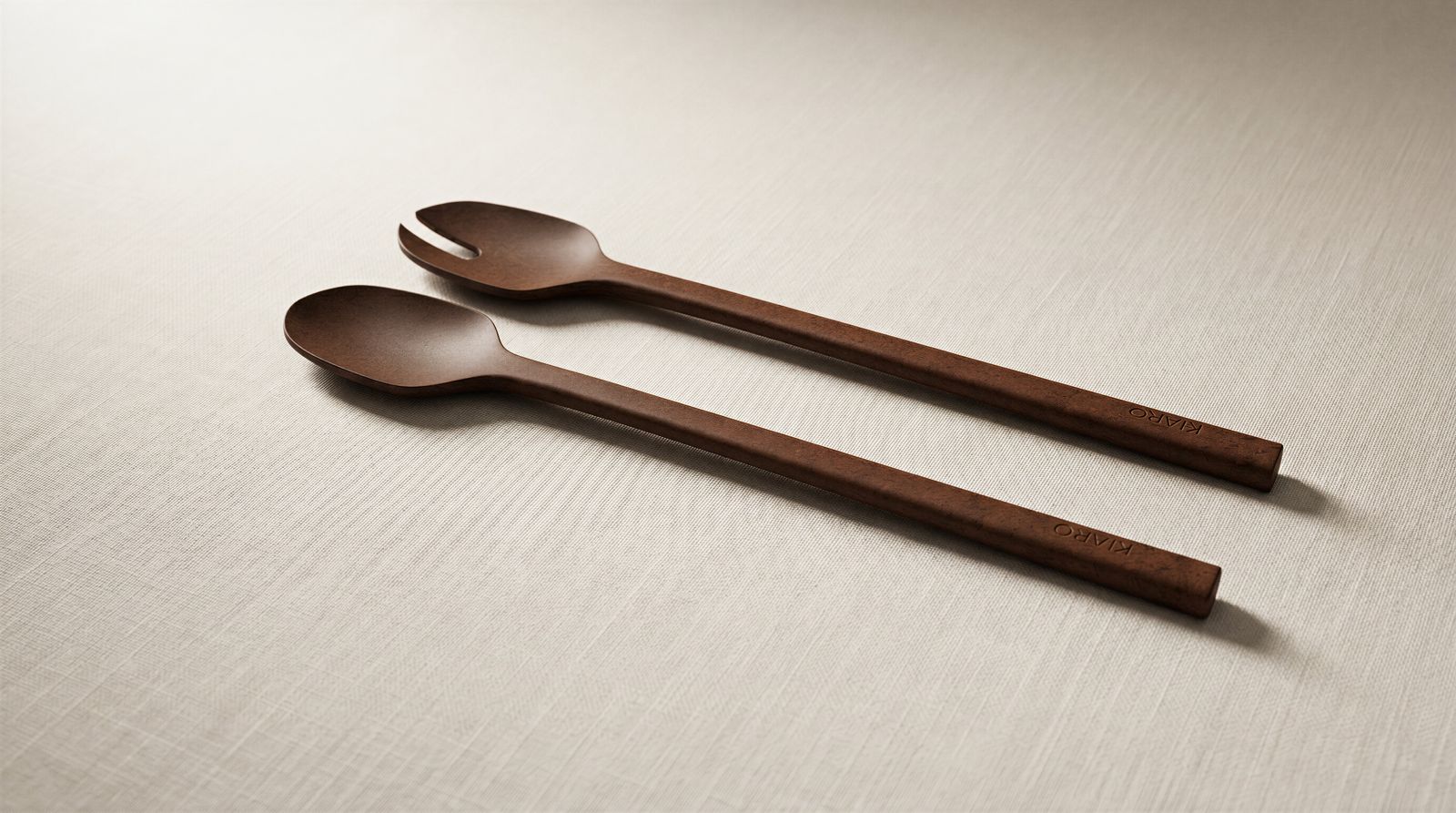
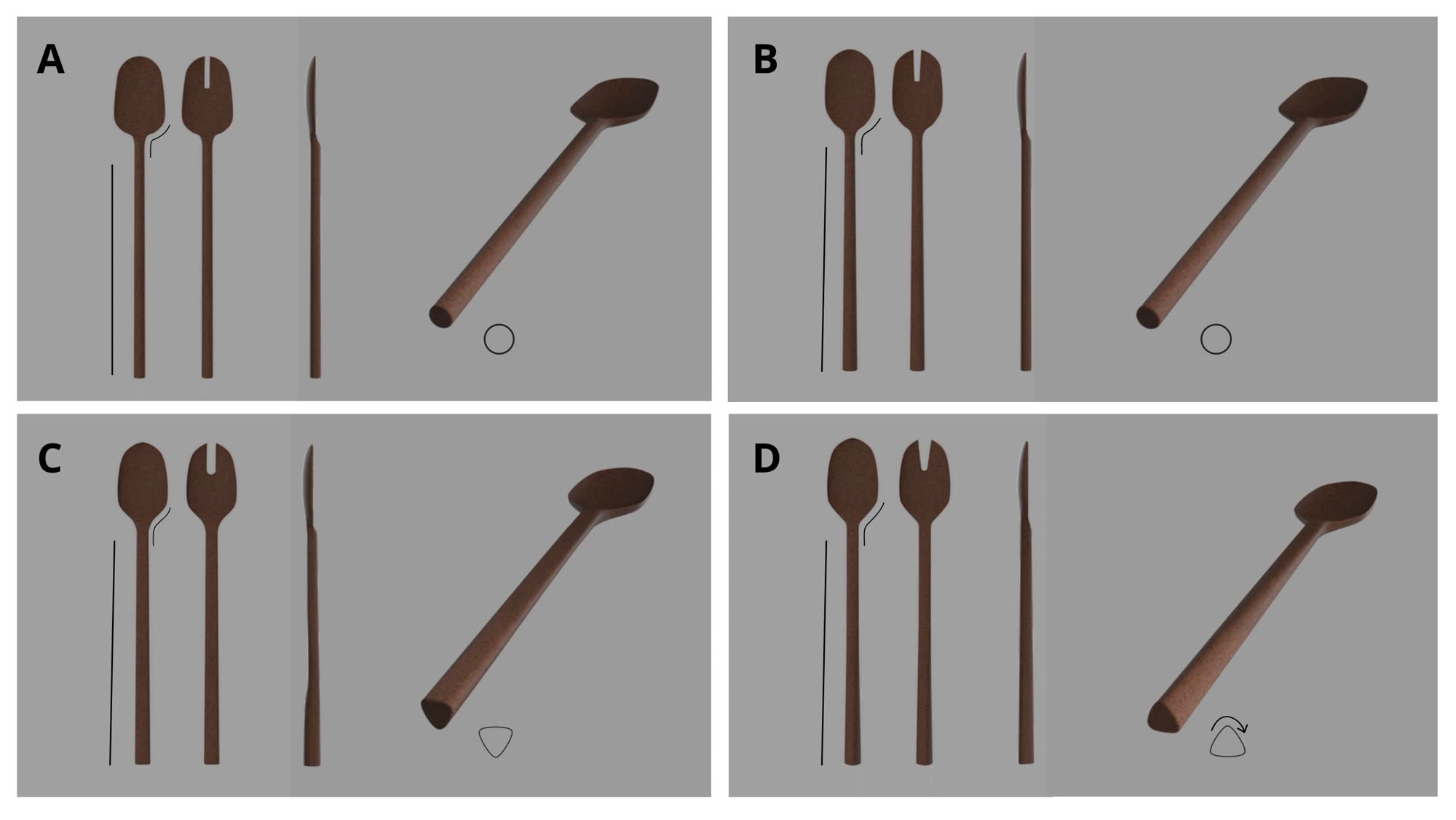
We followed Double Diamond, but the material set the direction rather than a user problem. Broad sketching came first. Then I built four CAD versions of the same salad servers. Same base dimensions, only the radii, taper and handle profile changed. A second survey ranked them on perceived premium. Concept C sat at the top, though the margins were small and shifted with age and gender. We also sourced Arboblend directly from Tecnaro, specified for food contact, dishwasher use and low shrinkage, and 3D-printed prototypes to get the material in hand.
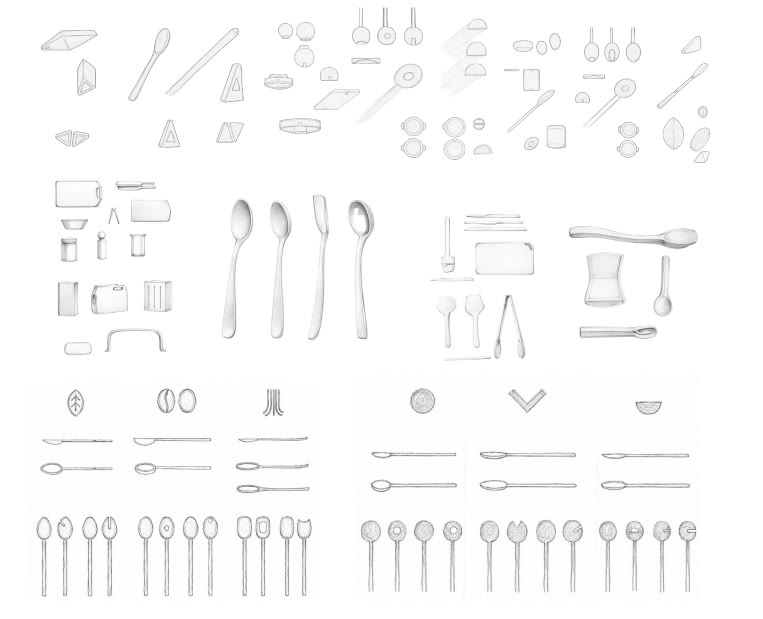
Kitchen tools, storage and serving. The study showed these are the categories where people trust the material most.
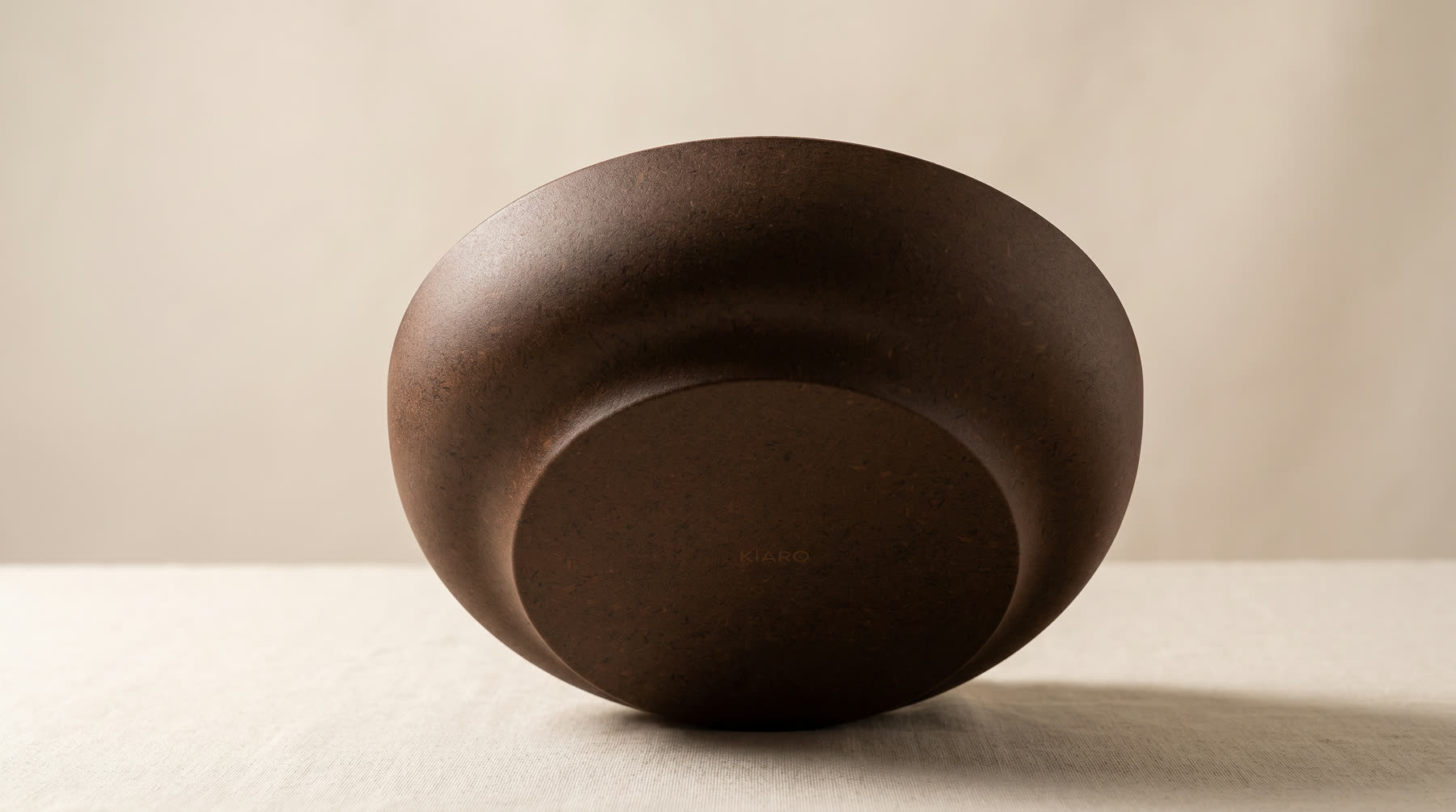
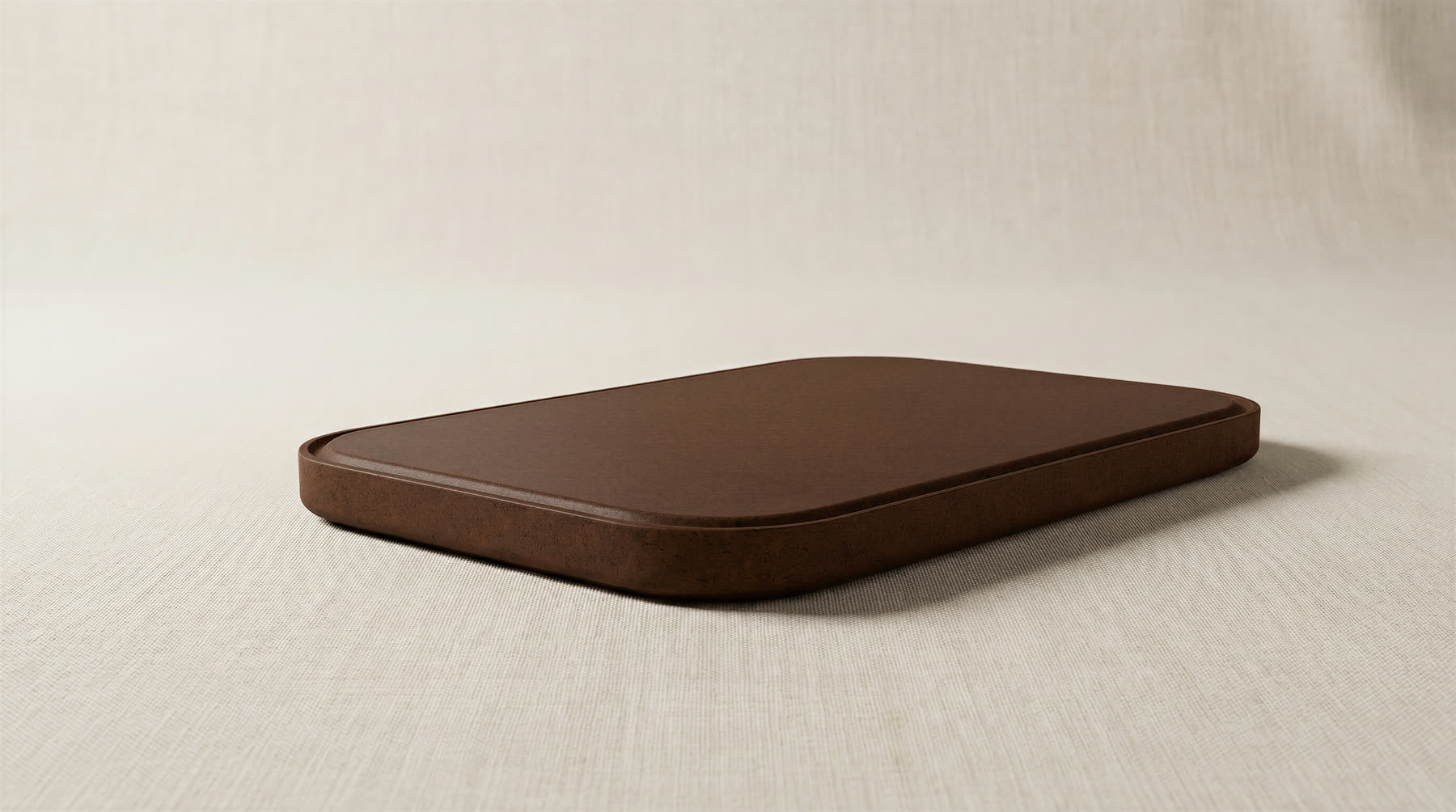
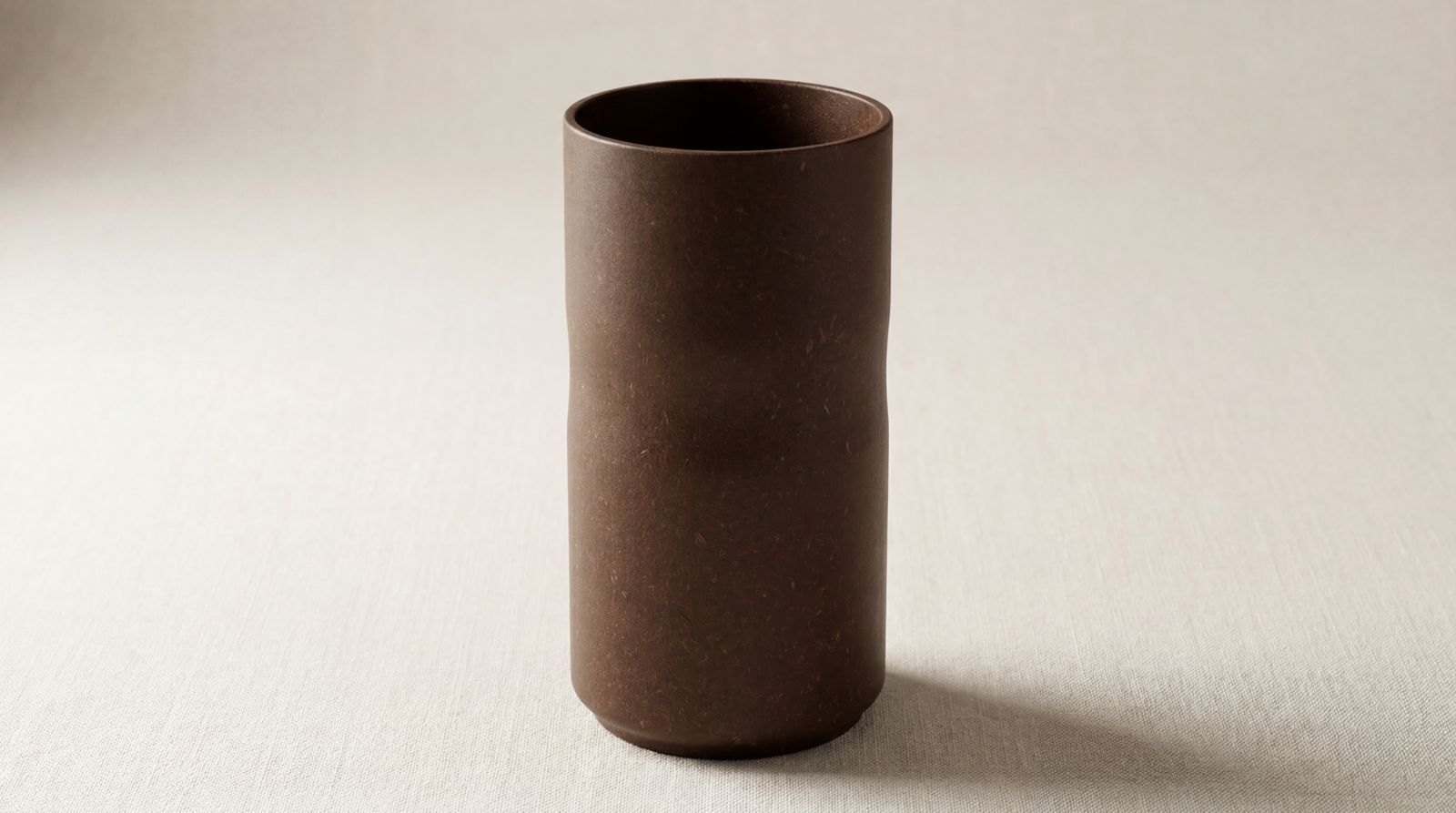
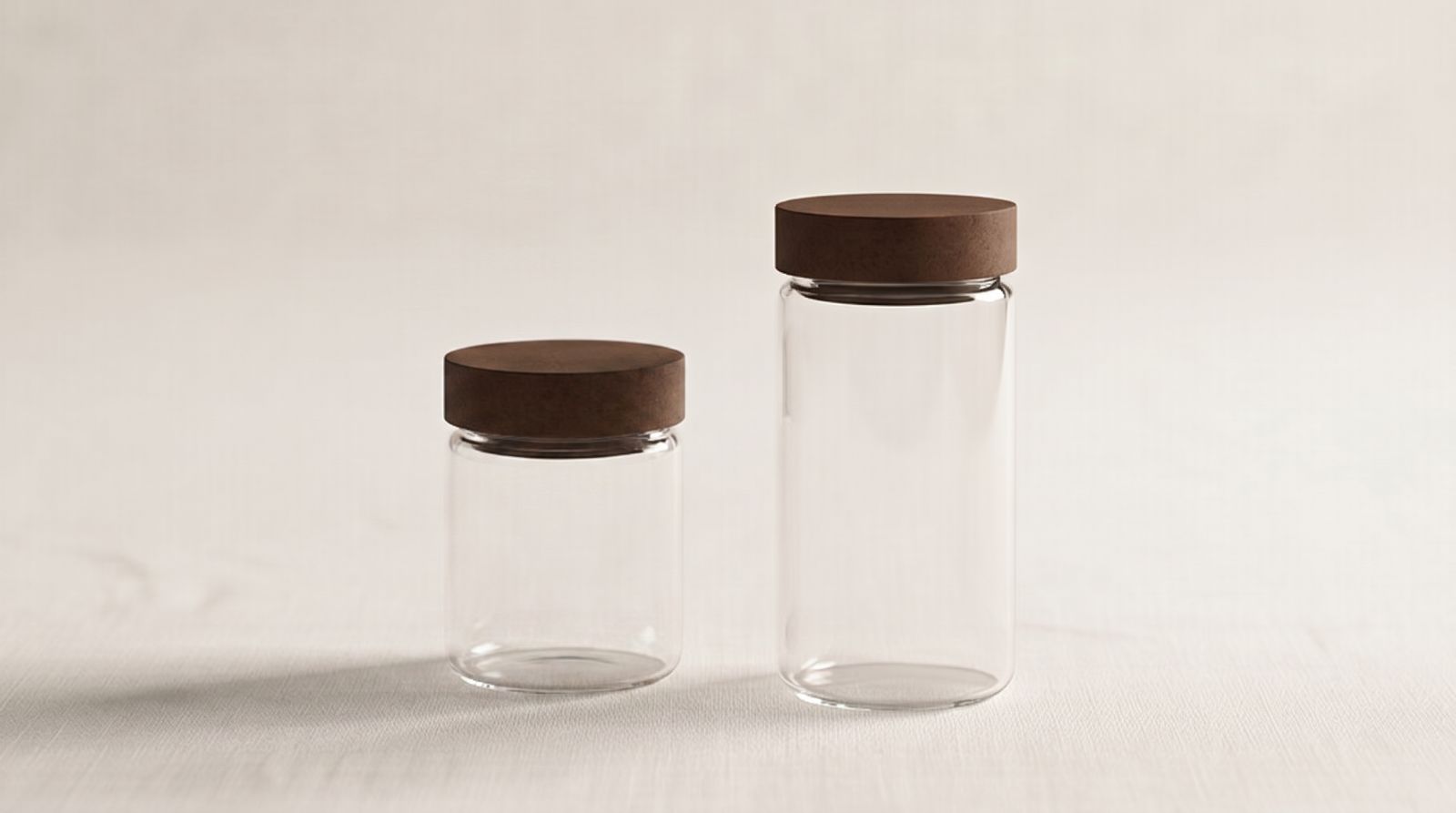
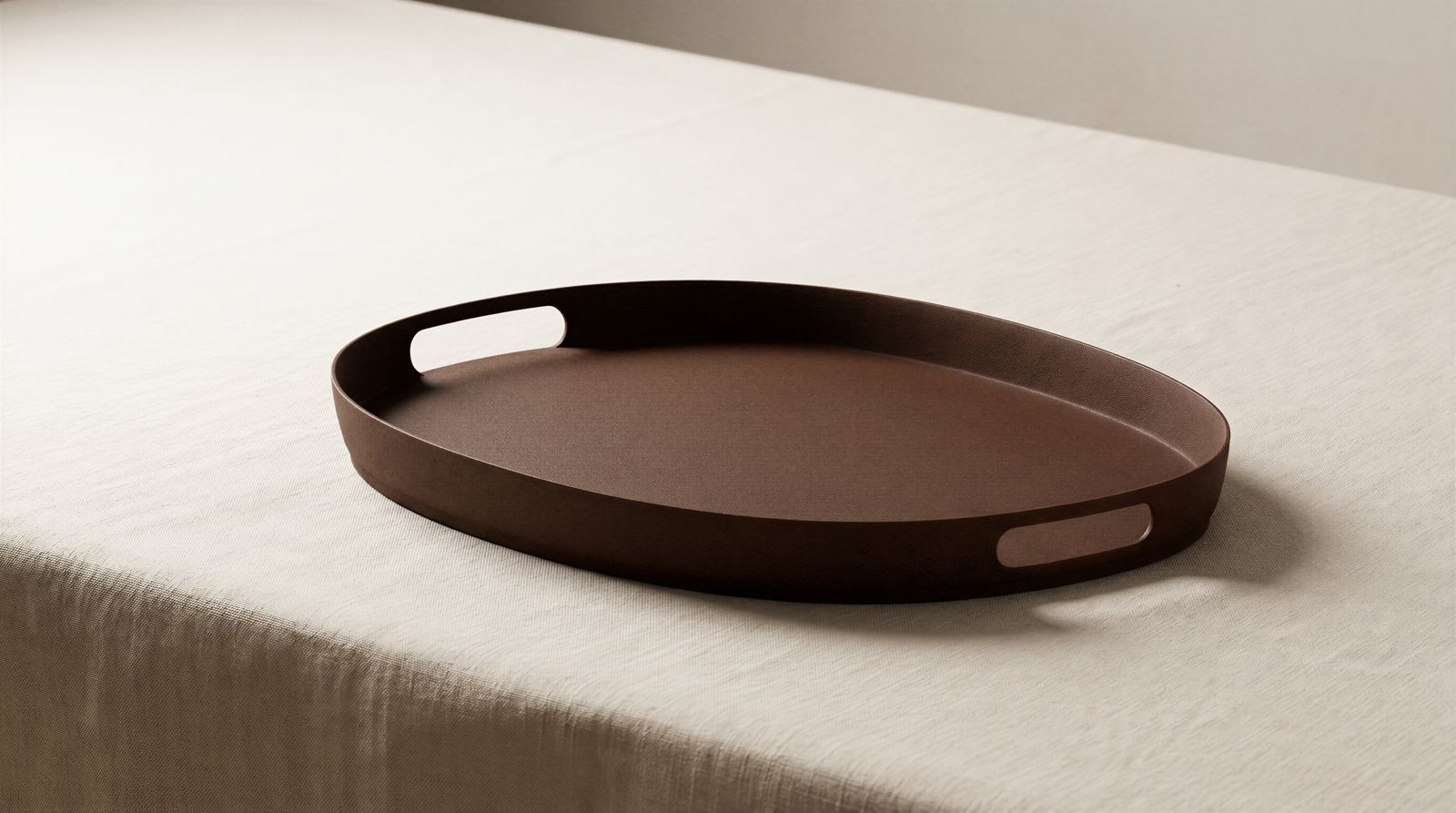
Sustainability alone didn't make Kiaro read as premium. The form did. Small changes in radii and proportion changed how premium the pieces felt, even though the material and function stayed the same. What felt premium also depended on who was looking.